

Installing a water heater installation can be a straightforward yet crucial task for any homeowner. A reliable hot water supply is essential for a comfortable living environment, especially during the colder months. In this comprehensive guide, we will walk you through the various aspects of water heater installation, ensuring you are equipped with the necessary knowledge to either tackle it yourself or understand professional services better.
Types of Water Heaters
Before diving into the installation process, it’s vital to understand the different types of water heaters available on the market. The choice of water heater affects installation requirements, cost, and long-term efficiency. Here are some common types:
- Tank Water Heaters: These are the traditional water heaters that store a large volume of hot water in a tank. They typically range from 20 to 80 gallons and require a significant amount of space.
- Tankless Water Heaters: Also known as on-demand water heaters, these units heat water directly without the use of a storage tank. They are more energy-efficient but may require a change in plumbing and electrical systems.
- Heat Pump Water Heaters: These units work by transferring heat from the air or ground to heat water. They are more energy-efficient but can be more expensive to install.
- Solar Water Heaters: Utilizing solar panels to heat water, these systems can significantly reduce energy costs. However, they are dependent on sunlight and can be costly to install.
Preparing for Installation
Before you begin the installation process, ensure that you have the necessary permits and check local building codes. Installation requirements can vary significantly based on local regulations. Additionally, here are some preliminary steps to take:
- Choose the Right Location: Ensure that the chosen area has proper ventilation and is easily accessible for future maintenance. Consider the proximity to the plumbing system and electrical outlets.
- Gather Necessary Tools and Materials: Commonly needed tools include a pipe wrench, screwdrivers, a power drill, and Teflon tape. You will also need materials such as plumbing pipes, fittings, a temperature pressure relief valve, and the water heater itself.
- Turn Off Water and Power Supply: Before you proceed with the installation, make sure to turn off the water supply and disconnect power to avoid any accidents.
Step-by-Step Installation Process
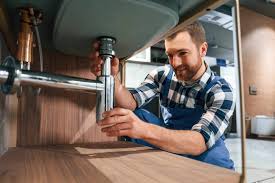
The installation of a water heater can be broken down into several key steps:
Step 1: Remove the Old Water Heater
If you are replacing an existing water heater, you need to drain it first. Connect a hose to the drain valve and direct it to a floor drain or outside. Allow the tank to empty completely. Next, disconnect the plumbing lines, making sure to use proper safety equipment, such as gloves and goggles.
Step 2: Install the New Water Heater
Begin by positioning the new water heater in its designated spot. Ensure that it is level and adequately supported. Follow the manufacturer’s instructions regarding spacing and clearance requirements.
Step 3: Connect the Plumbing Lines
Using the appropriate fittings, connect the cold water inlet and hot water outlet. If you’re installing a tankless heater, be mindful of the specific requirements for those models. Make sure to use Teflon tape on the threads to ensure a tight seal and prevent leaks.
Step 4: Install the Temperature and Pressure Relief Valve
This safety feature helps prevent the tank from bursting in case of excessive pressure. Install the valve on the designated outlet and direct the discharge pipe to a safe location, usually within 6 inches from the floor.
Step 5: Connect the Power Supply

For electric water heaters, connect the wiring in accordance with local electrical codes and manufacturer’s instructions. For gas water heaters, connect the gas line, ensuring there are no leaks. Use a gas leak detector to double-check your work.
Step 6: Fill the Tank and Check for Leaks
Open the cold water supply valve and allow the tank to fill. As it fills, open a hot water faucet in the house to allow air to escape and to ensure the system is venting properly. Inspect all connections for leaks as you fill the tank.
Step 7: Turn On the Power or Gas
Once the tank is full and there are no signs of leaks, restore power to the unit or turn on the gas line. Set the temperature on the thermostat to the recommended level, usually around 120 degrees Fahrenheit for optimal efficiency and safety.
Safety Considerations
While installing a water heater can be a DIY project, it’s essential to prioritize safety:
- Always follow local building codes and manufacturer instructions.
- If you are unsure or uncomfortable with electrical or gas connections, consider hiring a licensed professional.
- Ensure proper ventilation when using gas water heaters to avoid the buildup of harmful gases.
- Regularly maintain your water heater to prevent issues in the future.
Conclusion
Installing a water heater is a critical task that requires careful planning and execution. Whether you choose to do it yourself or hire a professional, understanding the process and safety considerations is key to a successful installation. With the right preparation and knowledge, you can ensure a reliable and efficient water heating system in your home.